
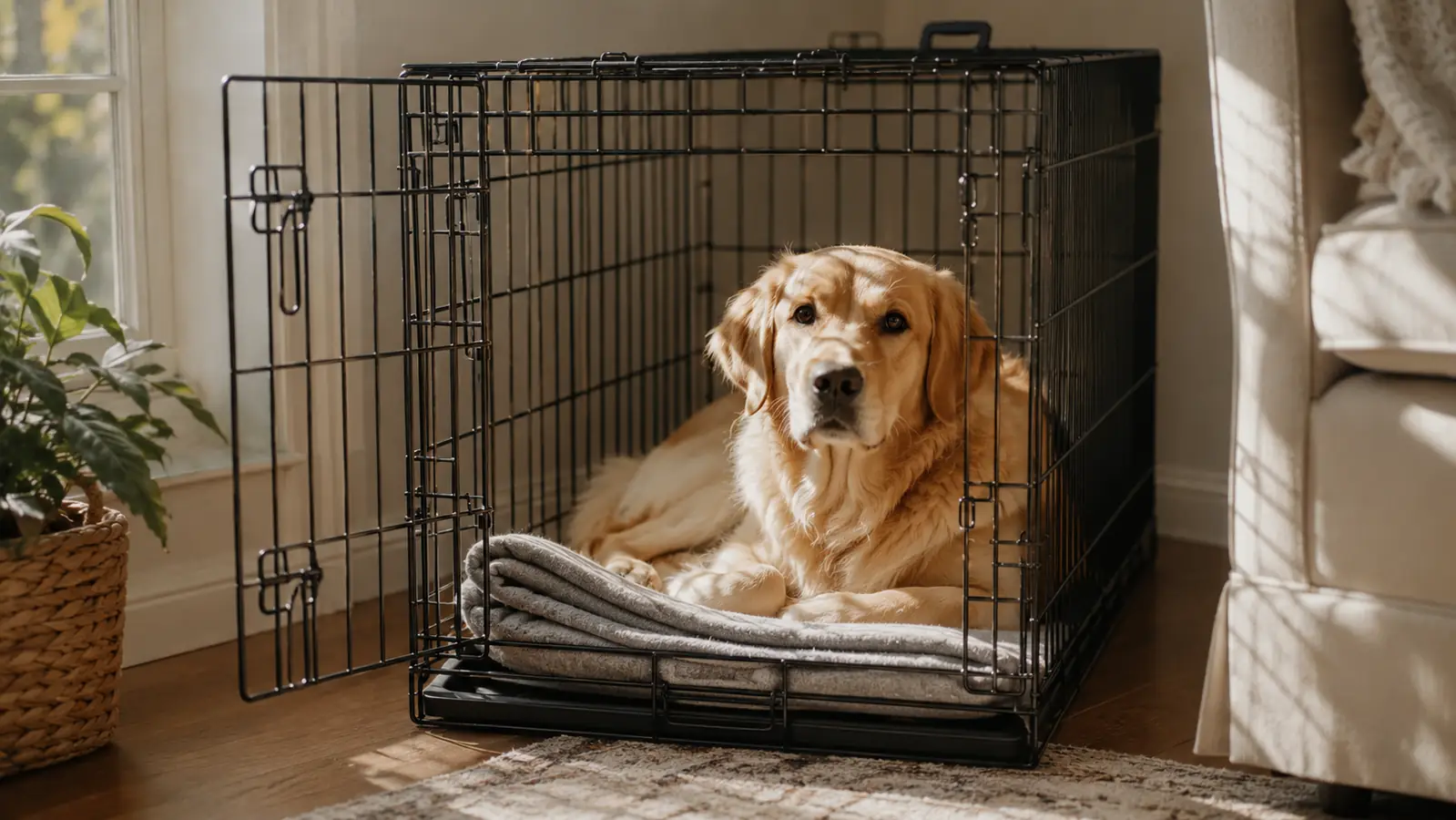
When people hear the word crate, a lot of them picture a cage, and they picture a dog locked inside one as punishment. I used to think that way too. I grew up with dogs that slept on the bed and never saw the inside of a crate, and I figured a crate was what you used after a dog had done something wrong. Then we brought home a rescue puppy and learned the hard way that a house with an unsupervised puppy and no plan is a house where shoes get chewed and baseboards get tested.
I am not a trainer and I do not raise show dogs. I am a practical pet owner with a Lab mix named Milo, who came home at about six months old, 40 pounds at the time, with no idea that furniture was not food. We bought the MidWest 36-inch single door iCrate, sized for medium-large breeds in the 41 to 70 pound range, and it turned out to be one of the smartest purchases we made. Here are the ten reasons a crate earns its place in a dog's life.
The crate that made our house calm again
The MidWest 36-inch iCrate is the folding wire crate we used to crate-train our rescue Lab. If you have a puppy or a new dog and no safe way to contain them, this is the crate to start with.
Amazon Check Today's Price on Amazon →House training clicks faster when a dog has a den
Dogs do not like to soil the place where they sleep. A correctly sized crate uses that instinct to teach a puppy to hold it until you take them out. The key word is correctly sized. The MidWest iCrate comes with a divider panel, so we could make the space small enough for Milo to want to keep it clean, then move the panel back as he grew. Milo was reliably house trained within a few weeks, and the crate was the reason.
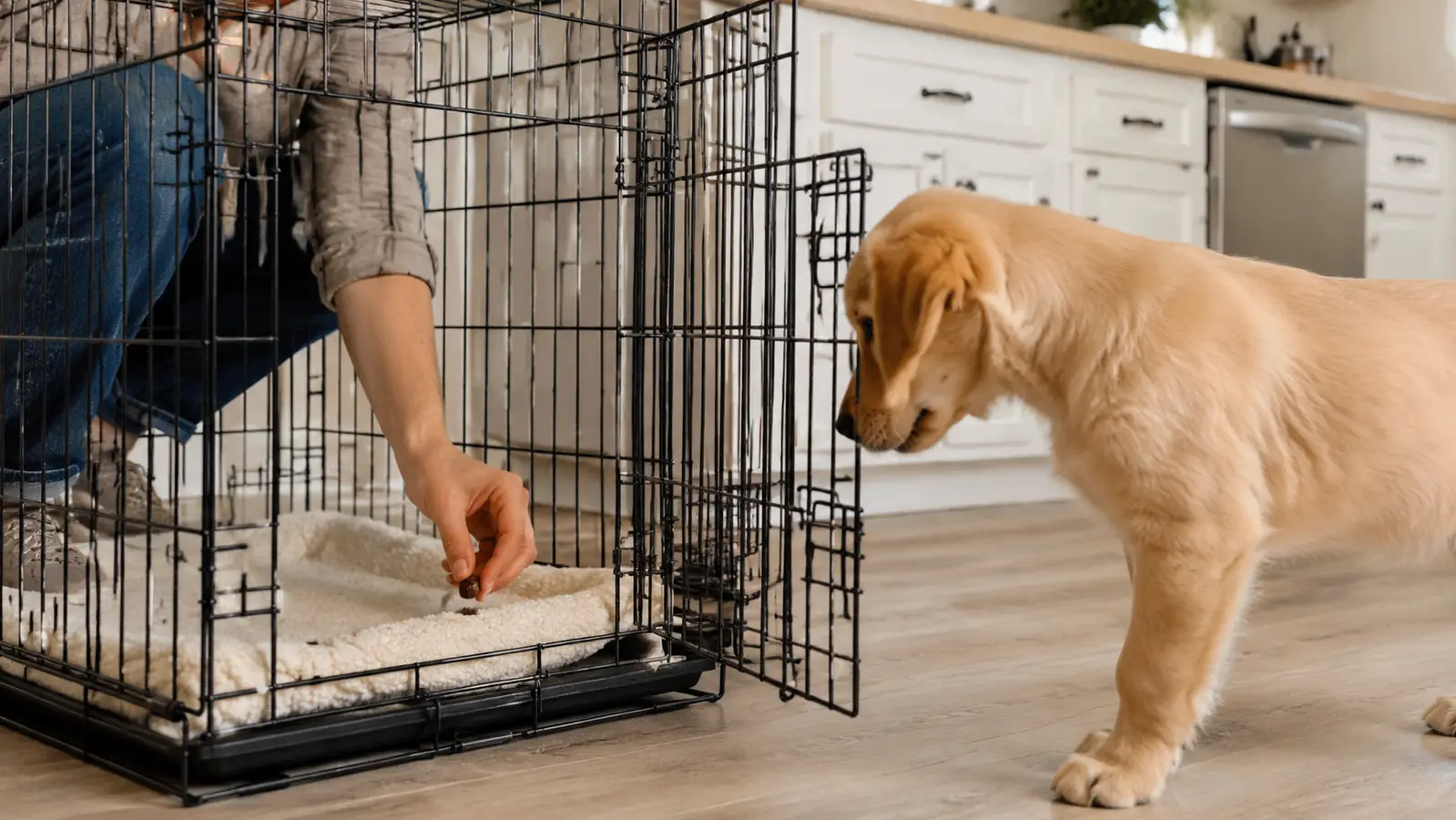
It gives a puppy a safe place when you cannot watch them
A puppy will find trouble in the two minutes it takes you to answer the door. That is not a bad dog, that is a puppy with no supervision. When we could not keep eyes on Milo, he went in the crate with a chew toy. No more chewed cords, no more shredded shoes, no more guessing what he got into while we were in the other room. The crate did not replace watching him. It covered the gaps where watching him was impossible.
It becomes your dog's own quiet room
Dogs are den animals. They like a small, enclosed space that feels like theirs. Milo now walks into his crate on his own when the house gets loud, whether that is the vacuum running or my niece and nephew visiting. It is not a lockup to him. It is his room, and he goes there to get away from the noise. A dog that can retreat to a calm corner is a dog that stays calmer the rest of the day.
Car rides are safer when a dog rides in a crate
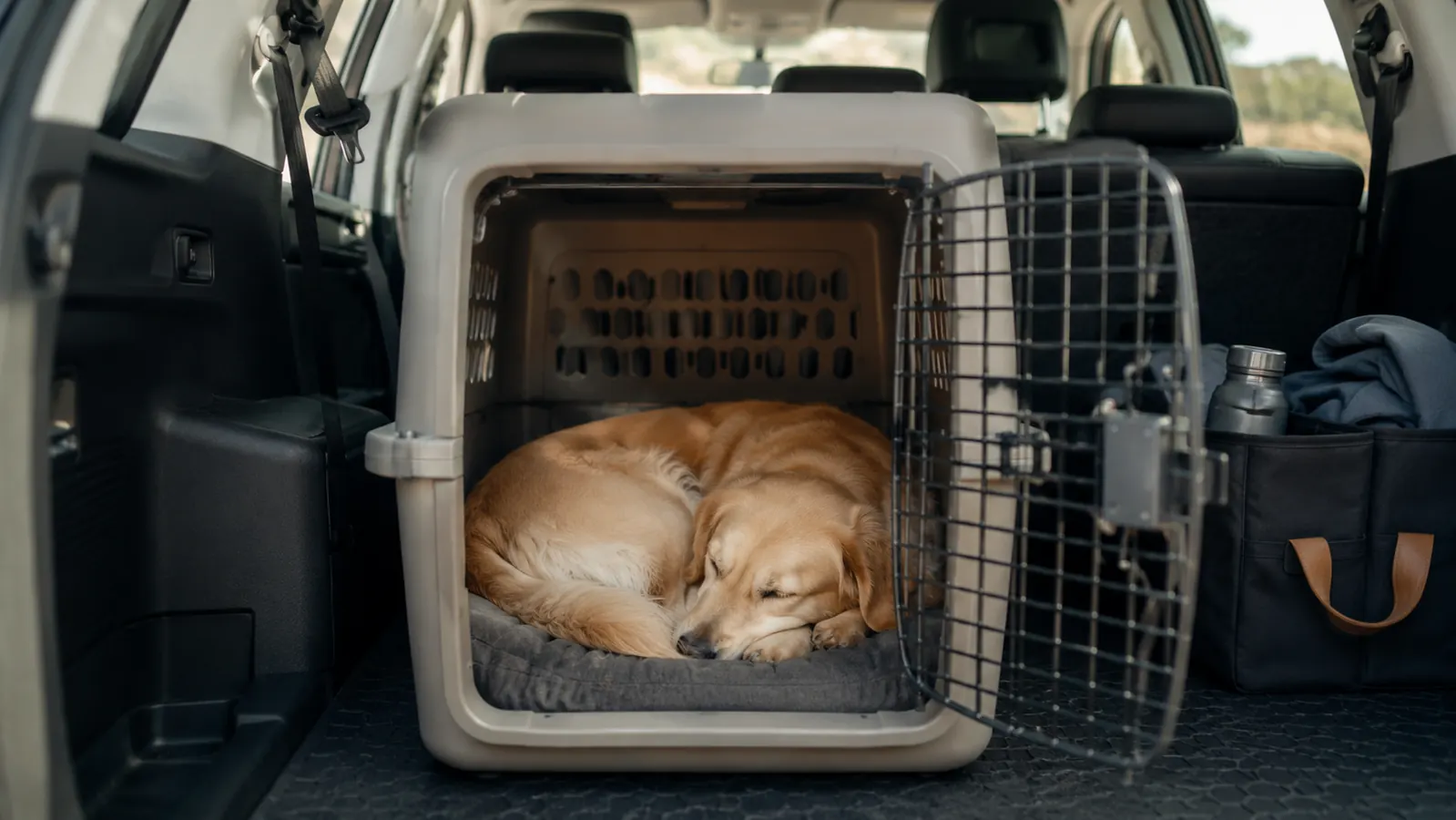
A loose dog in a car is a distraction, and on a hard stop they can become a projectile. We put the crate in the back of the SUV for longer trips, and Milo settles right down. He used to pace between seats and whine at every window. Now he lies down and naps until we get there. It is safer for him, safer for us, and honestly, the drive is a lot quieter.
Vet visits and boarding get less scary
A dog who already knows a crate is a safe space has an easier time at the vet, the groomer, and the boarding kennel, because those places use crates too. When Milo was young and used his crate daily, the kennel staff told us he was one of the easiest dogs they had, because he walked into the run without a fight. That comfort comes from practice at home, not from the kennel.
It keeps a recovering dog from overdoing it
After Milo was neutered, the vet said the hardest part would be keeping him calm for two weeks. A young dog with energy does not understand why he cannot jump on the couch. The crate was the answer. We set it up in the living room where he could still see everyone, and it enforced the rest his body needed. The same setup came in handy when he cut a paw pad and had to stay off it. Crate rest is not cruel. It is the same as bed rest for a person.
You get a handle on the front door chaos
Every dog owner knows the front door moment, when the doorbell rings and the dog is suddenly everywhere at once. We taught Milo that the doorbell means he goes to his crate and waits. Now when the repair person comes, or a friend stops by, Milo is calm and contained instead of bowling over the guest. It keeps him safe from an open door and keeps our visitors from being jumped on. Everyone is happier, including him.
Storms and fireworks are easier with a safe spot
Milo is not a nervous dog most of the year, but the first July he spent with us, the fireworks sent him pacing and panting. We put him in his crate with the blanket over the top, and he curled up and rode it out. Dogs who are scared look for a small, enclosed place to feel hidden, which is why so many hide under the bed. A crate gives them that same feeling in a spot you can actually use.
It folds flat, so it comes along instead of staying behind
One of the reasons we picked the MidWest iCrate is that it folds flat in seconds. We take it to my parents' house for the holidays, set it up in the guest room, and Milo has the same den away from home. When it is not in use, it stores flat against the wall of the garage instead of taking up half a room. A crate you can actually travel with is a crate that keeps working for you.
It teaches a dog that being alone is okay
A dog that has a crate learns that alone time does not have to be scary. Milo started with short sessions while we were home, then worked up to the times we had to run errands. Because the crate was a constant, calm place, he never developed the frantic pacing that dogs with separation trouble get. I am not saying a crate cures real separation anxiety, because that needs a trainer. But for an ordinary dog, it builds the quiet confidence that being by themselves is fine.
What I'd Skip
A crate is not the answer for every dog, and it is worth saying that plainly. If a dog has severe separation anxiety, locking them in a crate can make it worse, because the panic does not stop just because they are confined. Those dogs usually need to work with a trainer first. And a crate is never a punishment. If you use it as a time-out spot, your dog will learn to hate it, and the whole plan falls apart. For a normal puppy or a dog that just needs a safe, quiet place, a crate works. For a dog with real anxiety, get help before you add one.
The night Milo walked into his crate on his own and lay down to sleep, I knew it was not a cage to him anymore.
The crate I would buy again
If you are on the fence, the MidWest iCrate is a good place to land. It folds flat, the divider panel grows with a puppy, and it gives your dog a calm room of their own. Check today's price before you decide.
Amazon Check Today's Price on Amazon →